AI Code Generation Requires Governance, Not Just Guidelines

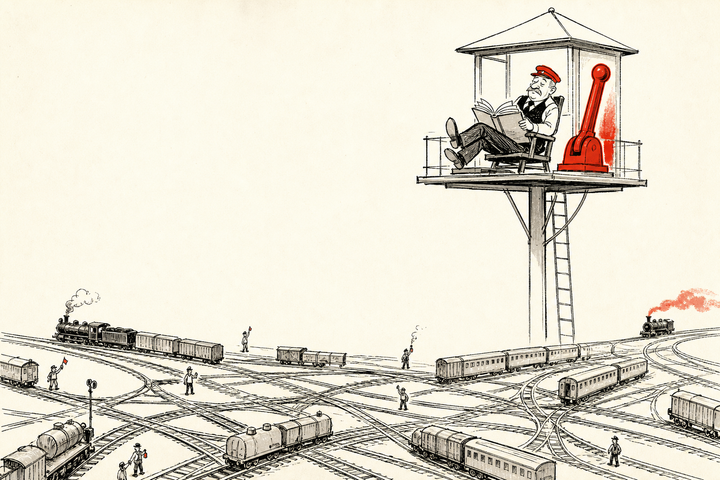
Engineering teams adopting AI code generation often assume review capacity will keep pace with output velocity. It does not.
The GNOME Shell extensions community recently published an open letter to AI models with detailed coding standards after reviewers noticed a surge of unmaintainable AI-generated submissions. The immediate goal: stop LLMs from hallucinating APIs and wrapping every function in defensive try-catch blocks. The operational lesson: AI-generated code requires structured review systems, not just faster merge queues.
The speed argument is defensible until it stops being true. Working code ships faster than reviewed code, and early velocity matters more than architectural purity when you are racing to product-market fit. That logic holds until the same team inherits six months of generated code with no maintainer who understands it. GNOME reviewers report processing over 15,000 lines of AI-generated extension code in a single day, submissions with unnecessary error handling, lifecycle flags guarding against conditions that should not exist, and comment blocks that are clearly LLM prompts rather than documentation. I think AI still struggles to distinguish between code that passes tests and code that survives contact with production, other engineers, or a changed business requirement.
The constraint moved. It is no longer authoring capacity. It is review capacity.
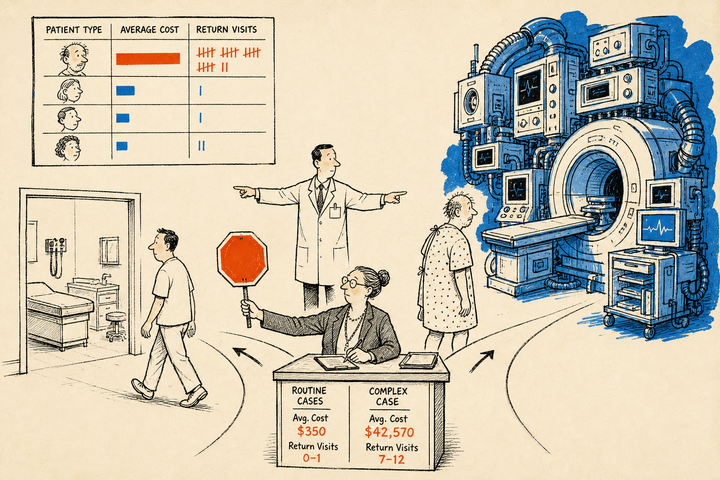
That gap forces a second dependency: you now need AI to review what AI produced at a speed humans cannot match. Some organizations are absorbing token costs while treating them as temporarily affordable infrastructure. If pricing dynamics shift the way they have with other vendor dependencies, teams relying on AI-augmented workflows will face a choice between degraded review quality and budget reallocation. The same dynamic that made Oracle alternatives attractive will eventually govern AI tooling, except the alternative is maintaining code nobody comprehends.
GNOME's response demonstrates the governance structure AI workflows require. The rules are narrow: no redundant checks, no boolean lifecycle flags, no imaginary APIs, no thousand-line entry points. The mechanism is portable: establish explicit standards, automate enforcement where possible, and require that someone who understands the system can maintain it after the original author leaves. Engineering leaders scaling developer productivity through AI should implement comparable governance now, before generated code becomes the system no one can afford to replace.
AI made syntax cheaper. It did not make judgment, maintainability, or review cheaper. The teams that survive future pricing pressure will be the ones that built review systems instead of assuming velocity and passing tests were sufficient measures of working code.