The Aggregate Looks Calm. The Edges Are Rough.
Workers in jobs most exposed to AI saw unemployment rise 0.30 percentage points between 2022 and early 2025. Workers in the least-exposed jobs? Up 0.94 points. AI-exposed workers are doing better, not worse.
If you read that and conclude AI has not affected hiring, you are looking at the wrong number.
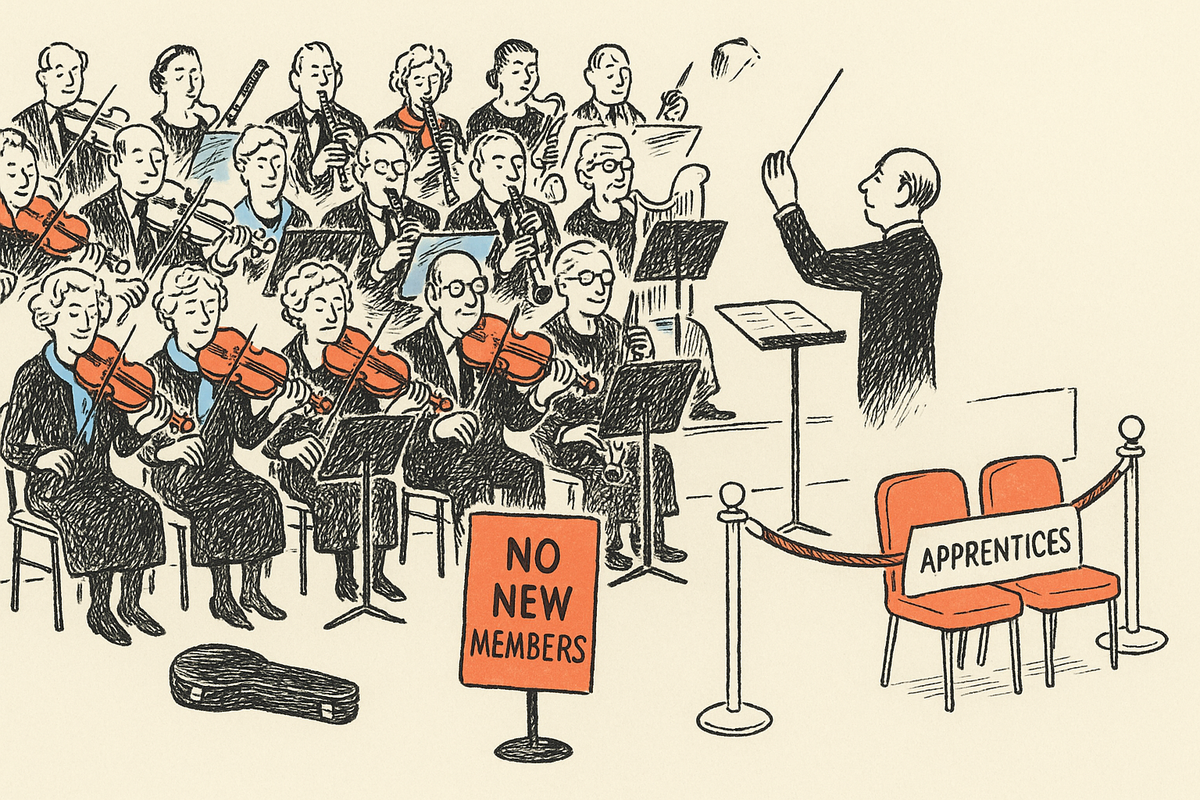
The disruption is concentrated at entry points. Recent graduates in AI-exposed occupations are losing ground while employment among workers over 30 in the same fields holds or grows. The aggregate hides what matters: which positions companies still open and which they quietly stop filling.
Goldman Sachs research links AI adoption to a 0.1 percentage point rise in unemployment. That is not mass displacement. It is friction at the margin, companies asking more from existing staff instead of adding headcount.
Young workers in highly exposed occupations saw employment declines of 13 to 16 percent. The studies document task reallocation, not full replacement. But the question changes: which junior roles still justify opening when a veteran with tooling can produce comparable output faster?
Aggregate employment numbers remain stable across AI-exposed occupations. The lived experience of people trying to start careers is rougher than the averages suggest.