Kids Understand AI Better Than Most Founders Do
Three in four teens have used generative AI. The adoption number is unsurprising. What matters is how they use it.
In one study of fifth graders, kids consistently distinguished three roles: AI as companion, as collaborator, as task automator. They were uncomfortable with the third. They worried that if AI did their homework, they would not get practice, would fail tests, would get into trouble.
That is not sophisticated product theory. It is the obvious purpose of homework. But even children seem to intuit that removing effort is not always the same thing as creating value.
Here is what founders miss: the kids are modeling a strategic question that most AI products ignore entirely. They are asking whether automation serves the goal or replaces it.
Software has spent decades optimizing away friction. AI introduces a category of friction users may actually want to preserve.
Traditional product thinking says ten steps to one step is a better product. But what if some of those nine steps are the activity the user values?
Photography. Writing. Programming. Dating. Learning. Designing. Parenting.
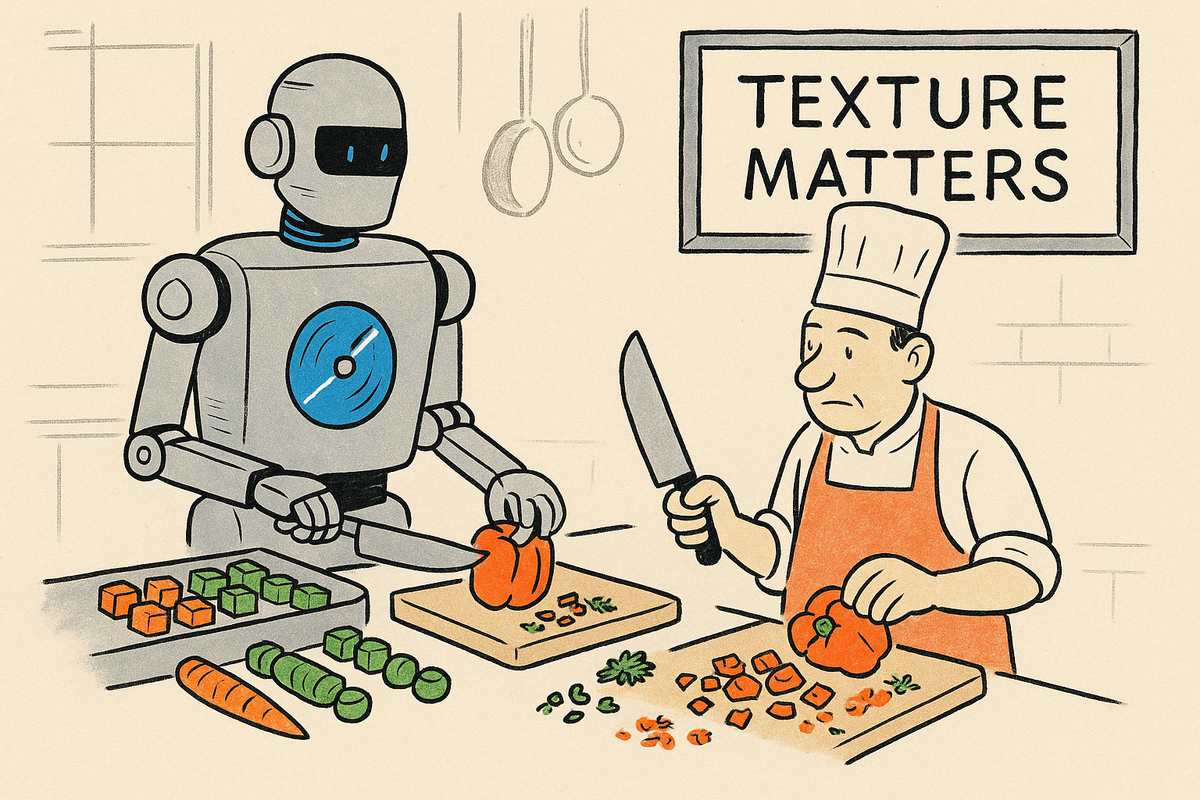
If AI removes the annoying part, use it. If it removes the part through which I develop taste, exercise judgment, or experience mastery, the automation may destroy the value proposition while technically improving the workflow.
Not all friction is waste.
The optimal amount of automation depends on whether the work is instrumental or intrinsic. Founders building AI products mostly ignore this distinction. They optimize for adoption metrics without asking whether the thing being automated is toil or the point.
Fifth graders understand what many product roadmaps do not: the user's goal is not always to finish faster. Sometimes the goal is the work itself.
The AI products that win will not necessarily be the ones that automate the most. They will be the ones that know what not to automate.